Embedded AI: Increasing the Intelligence of Devices
Yassin Ben Faiza
February 13, 2025

Embedded AI (EAI) is transforming how devices process information by enabling real-time decision-making without relying on cloud computing. This technology is revolutionizing industries such as healthcare, automotive, industrial automation, and security, providing faster, more efficient, and privacy-focused AI solutions.
Embedded AI (EAI) is transforming how devices process information by enabling real-time decision-making without relying on cloud computing. This technology is revolutionizing industries such as healthcare, automotive, industrial automation, and security, providing faster, more efficient, and privacy-focused AI solutions.
- What is Embedded AI?
EAI integrates AI models into edge devices, reducing latency, improving security, and allowing real-time processing. Devices like smartwatches, medical monitoring patches, and autonomous vehicles use EAI for instant decision-making.
- Real-World Applications:
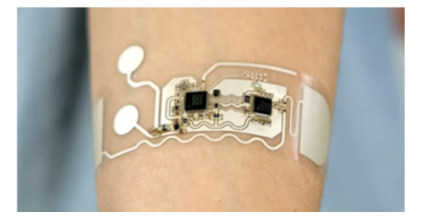
Healthcare & Wearables: AI-powered devices track heart rate, oxygen levels, and detect medical anomalies.
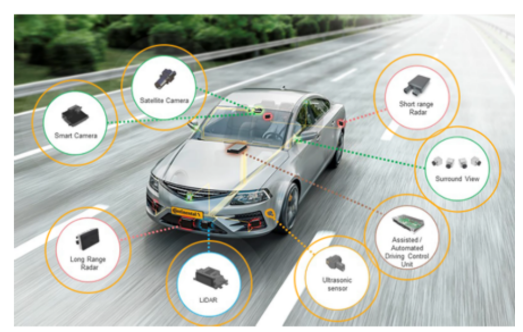
Self-Driving Cars: AI processes data from cameras and sensors to enhance driving safety. Industrial Automation: Factories use predictive maintenance and AI-driven quality control. Security & Surveillance: AI enables real-time motion detection and facial recognition.
- Challenges & Future Trends:
While hardware limitations, power consumption, and data security remain challenges, advancements in TinyML, low-power AI chips, and 5G are pushing Embedded AI forward. Engineering students and tech enthusiasts must stay ahead by mastering these innovations.
Want to read the full research paper?
Download PDF